
President | NMLS: 339237
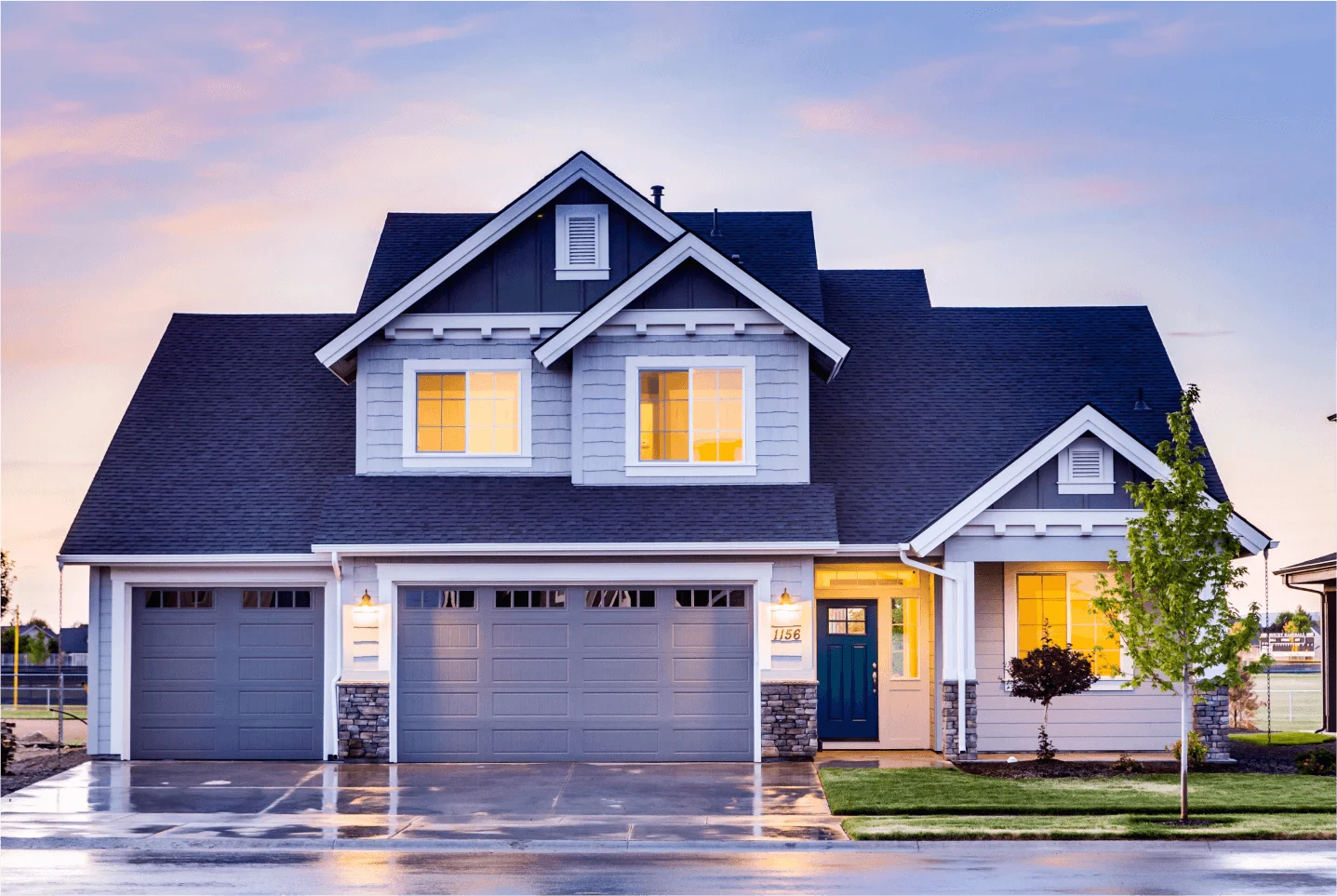
Buying a home in Satellite Beach can feel more within reach when you know how much you may actually need for a down payment. Many buyers believe they must put 20% down before they can purchase a home. That is not always true. Depending on your loan program, finances, and the home you want to buy, you may have options that require much less.
A smaller down payment can help you buy sooner and keep more savings available for other needs. At the same time, putting less than 20% down can affect your monthly payment and the total cost of your loan. The right choice depends on your goals and budget—not on one rule that applies to every buyer.
What does 20% down mean?
A down payment is the part of the home’s purchase price that you pay upfront. Your mortgage covers the rest, subject to loan approval and the terms of your loan.
For example, on a $400,000 home, a 20% down payment would be $80,000. A 5% down payment would be $20,000. These figures do not include other costs you may need to pay at closing, such as lender fees, title charges, prepaid taxes, homeowners insurance, or escrow deposits.
Putting 20% down may reduce the amount you borrow and can help you avoid private mortgage insurance on many conventional loans. But it is not a universal requirement. Some loan programs allow eligible buyers to put down less. In some cases, eligible borrowers may qualify for a loan with no down payment.
Down payment options to explore
Conventional loans may allow qualified buyers to put down less than 20%. The minimum depends on the loan program, property, borrower, and other factors. When the down payment is below 20%, private mortgage insurance, often called PMI, may apply. PMI protects the lender, not the borrower. It adds to the monthly housing cost, but it does not necessarily last for the entire loan. Depending on your loan terms and equity, it may be possible to remove it later.
FHA loans are another option for some buyers. They can have lower down payment requirements than many buyers expect, but they include mortgage insurance costs. The upfront and monthly costs, credit requirements, property rules, and other details should be reviewed as part of your full loan plan.
Eligible veterans, service members, and certain surviving spouses may qualify for a VA loan. These loans can offer a zero-down-payment option for eligible borrowers, though funding fees and other requirements may apply. Eligibility and the home’s value and condition matter, so it is important to review the details before making plans.
Some buyers may qualify for a USDA loan, which can offer financing with no down payment for eligible borrowers and properties. Location, household income, and other program rules apply. Since eligibility depends on the property address and the borrower’s circumstances, a home’s location in or near Satellite Beach should be checked rather than assumed.
Down payment assistance may also be available through certain programs. Assistance can take different forms, such as a grant or a second loan. Programs may have limits on income, purchase price, location, or buyer education. Some require you to live in the home as your primary residence. The terms matter: assistance may need to be repaid if you sell, refinance, or move before meeting program requirements.
A lower down payment does not mean a lower overall cost
The down payment is only one part of the purchase. Your monthly payment may include principal, interest, property taxes, homeowners insurance, and any mortgage insurance. If the home is part of a condominium or homeowners association, you may also have association dues and other costs.
Satellite Beach buyers should give special attention to insurance and property details. Coastal homes may have insurance needs that differ from those of homes farther inland. The cost and availability of coverage can depend on the property, its location, construction, condition, and other factors. Flood insurance may be required for some properties, and a lender may require proof of coverage before closing. Ask about insurance early in the process so you can include a realistic estimate in your budget.
You may also want to consider inspections and potential repairs. A home inspection can help you understand the property’s condition, while other inspections may be useful depending on the home. These costs are separate from the down payment and may be due before closing. Keeping some savings available for repairs, moving expenses, and unexpected costs can make homeownership easier to manage.
How a smaller down payment affects your loan
When you put less down, you usually borrow more. A larger loan can mean a higher monthly principal and interest payment than you would have with a larger down payment, assuming other loan terms are the same. Mortgage insurance may increase the payment as well. Your loan amount, credit profile, loan type, property, and other factors all help shape the final numbers.
A larger down payment can reduce the amount you borrow and may lower some costs. But using all your savings to reach 20% may leave you without enough cash for closing expenses, moving, or emergencies. It can be helpful to compare more than one down payment amount and look at the full monthly payment and cash needed to close for each option.
For instance, you could compare a lower down payment with a higher one and ask how each affects your estimated payment, mortgage insurance, and remaining savings. The goal is not simply to reach a certain percentage. It is to choose a plan that supports both your purchase and your financial comfort after you move in.
What lenders may review
A down payment is only one part of the loan decision. Lenders generally review your income, employment, assets, debts, credit history, and the property. They may also look at your debt-to-income ratio, which compares your monthly debt payments with your gross monthly income. The amount you can borrow is not always the same as the amount that feels comfortable in your budget.
Before you begin making offers, gather recent pay information, bank statements, and details about your debts and savings. Avoid making large, unexplained deposits or taking on new debt without first discussing how it could affect your loan. A new car payment, for example, may change the amount you qualify for. If you receive a gift to help with your down payment, ask about the program’s rules and the paperwork needed to document it.
Ways to prepare for a home purchase
Start by setting a monthly housing budget that includes more than the mortgage payment. Add estimated taxes, insurance, mortgage insurance if applicable, association dues, utilities, and a savings amount for maintenance. For a home near the coast, it is especially helpful to get a property-specific insurance estimate before you settle on a budget.
Next, review how much cash you have available. Separate the money you may use for your down payment from funds you want to keep for closing costs and reserves. If your savings are still growing, a realistic savings plan can help you prepare without putting every dollar toward the purchase.
You can also ask about a preapproval. A preapproval can help you understand a possible loan amount and show sellers that you have begun the financing process. It is based on the information reviewed at that time and is not a final loan approval. The property still needs to meet the loan program’s requirements, and your financial information may need to be updated.
If you are not ready to buy yet, you can still take useful steps. Review your credit reports, pay bills on time, reduce high-interest debt when possible, and avoid opening new credit accounts without a clear reason. Keep records of your savings and income. Small, steady steps can improve your readiness and help you understand what may be possible.
The best down payment is the one that fits your situation. You may decide that putting less down allows you to buy sooner while keeping savings available. Or you may prefer to wait and build a larger down payment to reduce your loan amount. Both paths can make sense, depending on your finances, priorities, and the home you hope to buy.
If you are considering a home in Satellite Beach, reach out to go over your specific needs, possible loan options, estimated cash to close, and monthly payment scenarios. A review of your goals and finances can help you understand what may fit and plan your next steps with confidence.
Eddie Rutledge
President
Getting started is quick and easy
If you have any questions, I'm here for you.
Send Eddie a message
I will get back to you soon.
